
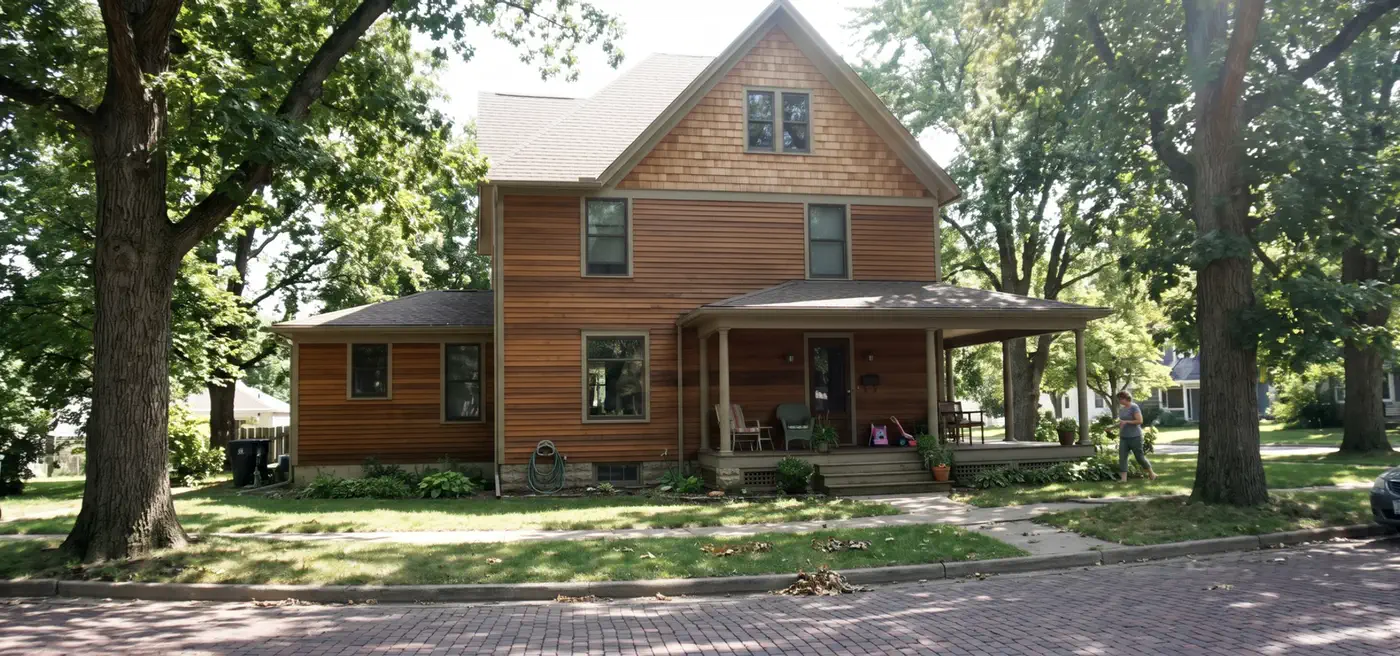
Wood and Cedar Siding Repair and New Cedar Siding in Grand Rapids
Split, soft or woodpecker-damaged boards replaced one at a time to match the rest of your wall, and new cedar siding when the whole house is ready for it.
Get a Free Estimate- 20+ years on Grand Rapids siding
- Straight price ranges
- Free estimates
- Old siding off before new goes on
- Repairs that leave good siding in place
Can Wood Siding Be Repaired One Board at a Time?
Most of the time, yes. Wood siding goes up one board at a time, so it can be repaired board by board as well. Grand Rapids Siding Contractors does wood siding repair and puts up new cedar siding around Grand Rapids, and on a wood house the first thing we look at is how many boards really need to come out. A split board by the back door or a soft one under a window usually means a few new boards in that spot, with the rest of the wall left as it is.
What we do on wood and cedar siding
- Split, cupped or soft boards replaced one at a time
- New boards matched to the shape of the ones already on your house
- Paint or stain on the new boards so the repair blends into the wall
- New cedar lap or shingle siding when the whole house is ready for it
The boards that give out first are usually the ones that stay wet the longest. That tends to mean the bottom rows, where snow piles up against the wall, the boards under a windowsill, and anything below a gutter that overflows or behind a shrub growing against the house.
Before a new board goes in, we look for where the water came from. A new board under the same leaking gutter or the same gap in the flashing will end up where the old one did. Sometimes the cause is something we fix as part of the job, like a seam where the caulk has opened up. When it's a gutter or a roof problem, we'll tell you what we saw so you can have the right people look at it.
Matching the Wood Siding on an Older Grand Rapids House
Wood siding comes in a handful of shapes. There's the tapered lap board most people picture, often called clapboard or bevel siding, boards that fit together edge to edge, like tongue and groove or shiplap, and cedar shingles, which you'll often see up in the gables. On a painted wall, the shape is what has to match, because the paint goes over the new boards anyway. Common profiles are easy to find. An older or unusual one may need to be milled to match, and we'll tell you which yours is before anything starts.
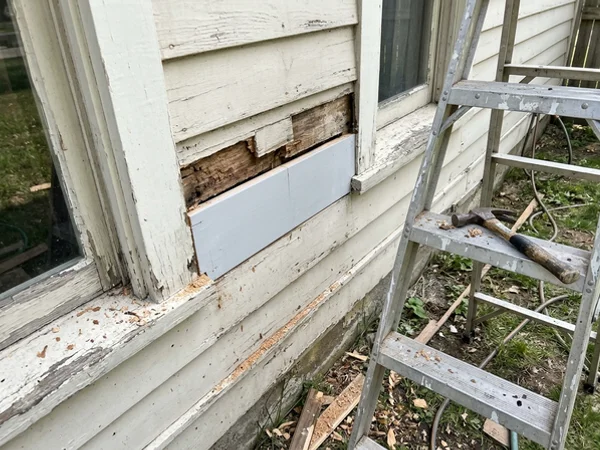
When we repair wood siding, every new board gets primed on all sides before it goes up. Bare wood soaks up water from whichever side is left open, and a board that's only painted on the face can take on water from the back and start to cup. Priming the back and the cut ends too is a small step, and it helps a new board hold its shape.
Older painted wood can call for lead-safe work. If your house was built before 1978, the paint on the old boards may contain lead, and the job may call for lead-safe work when that paint is disturbed. That affects how the old boards come off and how the area gets cleaned up afterward, and we'll go over it with you at the estimate.
Wood Siding in Heritage Hill and Cherry Hill
Heritage Hill is the oldest historic district in Grand Rapids, where the lumber barons and industrialists built their big manor houses. Cherry Hill came a little later, for the city's growing middle class, and its houses went up from pattern books, though no two of them came out exactly alike. Both are full of wood houses, and both are city historic districts. Michigan's law that lets cities create historic districts was drafted by a Heritage Hill resident.
Wood siding in a Grand Rapids historic district
- Repairs that change the outside of the house need the city's approval before work starts
- Work that matches the materials already on the house may be approved by city staff
- Paint colors aren't regulated, and repainting wood doesn't need approval
- Exposed wood gets painted, so a clear finish that shows bare cedar isn't allowed
- Old paint isn't taken off with power washing, blasting or power sanding
The city's historic preservation commission doesn't endorse re-siding historic houses or covering their wood. It looks at vinyl, fiber cement and other substitutes case by case, only where repairing the wood or replacing it in wood isn't practical. When a whole wooden feature has to be replaced, it asks for new wood that matches the original in design and detail. So on a house in Heritage Hill or Cherry Hill, the work is usually repairing boards or replacing them with wood cut to match.
New Cedar Siding for Your House
When most of the boards are worn out, or a house has lost its original wood under later siding, new cedar siding in Grand Rapids gives you real wood on the walls again. It goes up as lap boards, shingles, or a mix of the two, with shingles in the gables over lap siding below, and it's painted or stained once it's on. Like any wood siding, it will want a fresh coat every so often.
If you like the look of painted wood boards but would rather not keep up with the finish, fiber cement is the usual alternative. Our guide comparing vinyl, fiber cement and wood sets the three side by side, and we're happy to talk through what suits your house when we come out.
Get Your FREE Estimate
Wood and Cedar Siding Cost in Grand Rapids
Here's what new wood and cedar siding typically costs on a whole house around Grand Rapids. It's based on a house with roughly 1,500 to 2,000 square feet of wall siding. The old siding comes off and gets hauled away first, and the corners, windows and doors get new trim. Replacing a few boards is a much smaller job and is priced on its own at the estimate.
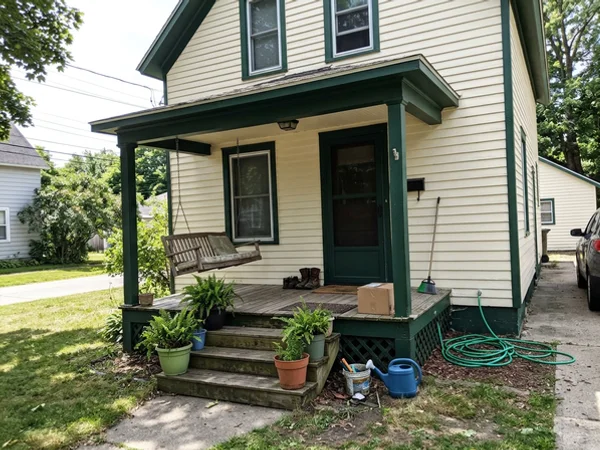 New wood or cedar siding, whole house$18,000 to $32,500
What can raise or lower your price
- The size and shape of the house. A second story, tall gables and bump-outs mean more boards and more time on ladders and staging.
- The cedar and the style you pick. The grade of the cedar, and whether you choose lap boards, shingles or both, change what the material costs.
- The finish. New wood gets primed and then painted or stained, and on a repair, how much of the wall gets refinished so the new boards blend in.
- A profile that's hard to find. A board shape that's still made costs less than one that has to be milled to match an older house.
- What's under the old siding. Soft sheathing behind the boards gets replaced before the new wood goes on, and it's priced once we can see it.
- Old paint on a pre-1978 house. Disturbing that paint may call for lead-safe work, which takes extra time and care.
The Grand Rapids siding replacement cost guide puts wood next to vinyl and fiber cement.
How Wood Siding Repair Works
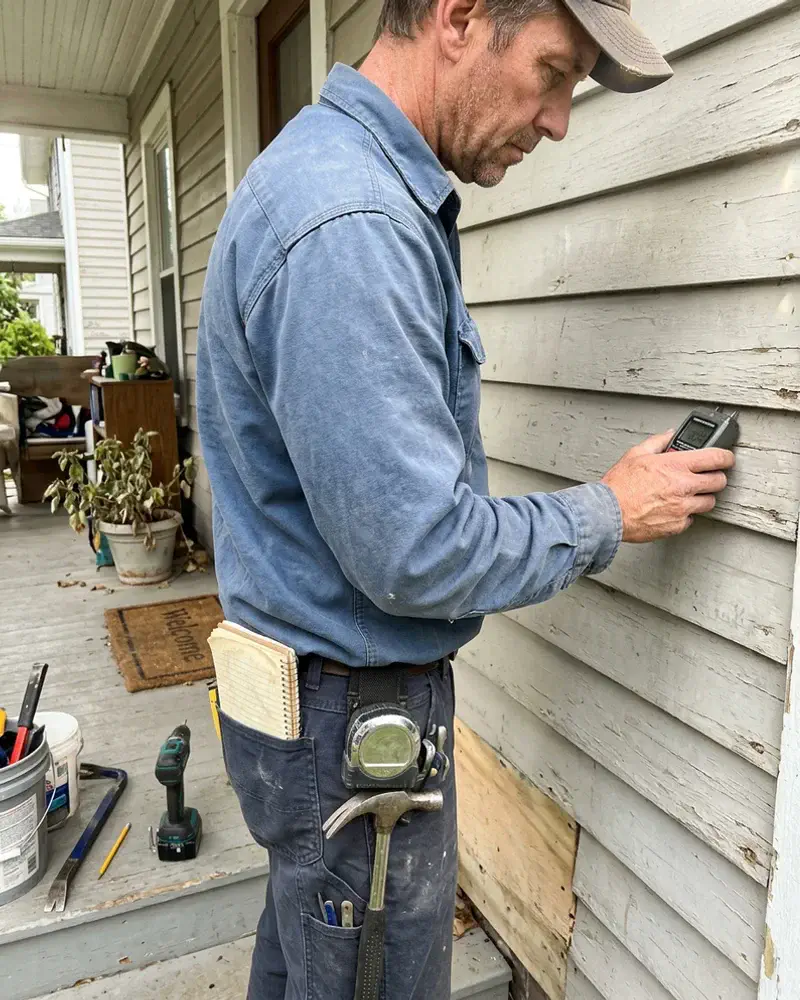
Finding the soft boards
We look at each wall and check the boards that look tired to find the ones that are actually soft or wet, and then you get a written estimate.
Find where the water got in
Before anything new goes up, we find what wet the old boards, and you'll hear what we found and what fixing it involves.
New boards cut to match
The damaged boards come out carefully so the good ones around them aren't harmed. The new boards are cut to the shape of your old ones, primed on every side, and nailed with the stainless steel or hot-dipped galvanized nails cedar calls for.
Paint or stain to blend
The new boards get the same paint or stain as the wall around them so the repair blends in as closely as it can. Once the finish has dried, the scraps get hauled away and we look at the repaired wall together.
Wood and Cedar Siding Questions
How do you care for cedar siding?
Mostly by keeping a good coat of paint or stain on it and renewing it when it wears, which usually happens first on the walls facing south and west. It also helps to keep water off it, so an overflowing gutter or a shrub growing against the wall is worth dealing with. Outside the historic districts, paint or stain is up to you, and it mostly comes down to the look you want. Paint covers the grain and gives you a solid color. Stain lets more of the wood show through. If your house is in Heritage Hill, Cherry Hill or another of the city's historic districts, the guidelines call for wood siding to be painted, with a colored stain allowed on shakes, and the color is up to you.
How can I fix cracked wood siding?
One way is to replace the cracked board, and often that one board is all it takes. Water that gets into a split can freeze and open it wider through a Michigan winter, so a crack is worth dealing with while it's small.
Can you replace just one piece of wood siding?
Yes. Wood siding goes up one board at a time, so a single split or soft board can come out and a new one can go in without disturbing the rest of the wall.
Wood and Cedar Siding Guides
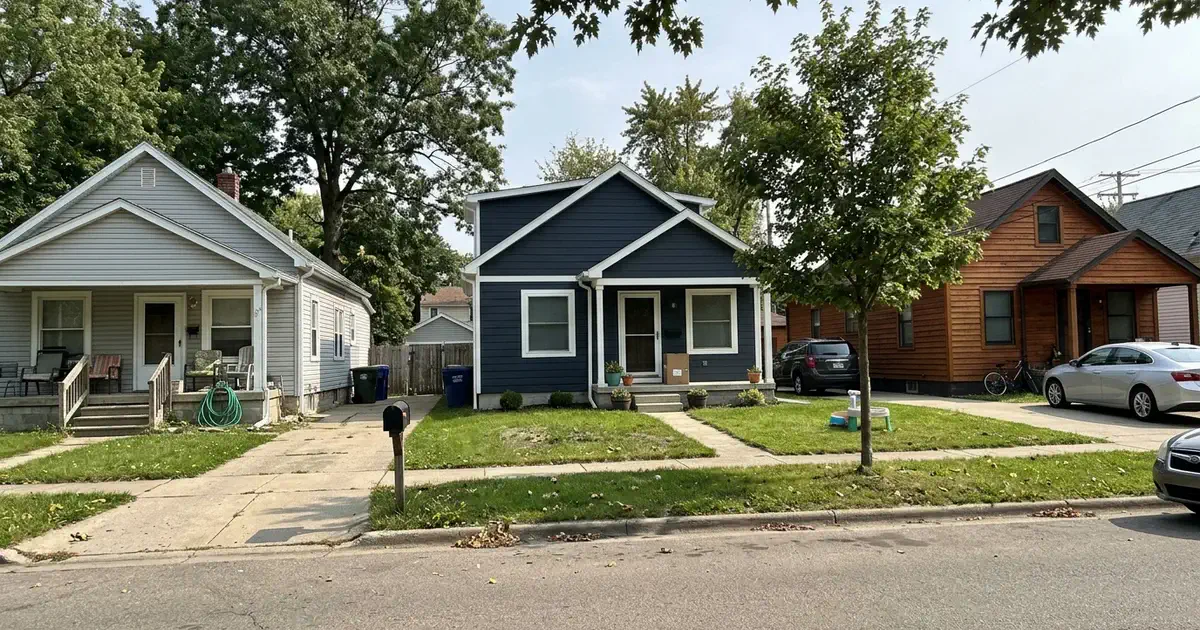
Vinyl, Fiber Cement or Wood Siding for a Michigan House
How real wood stacks up against the two most common alternatives on looks, upkeep and price.
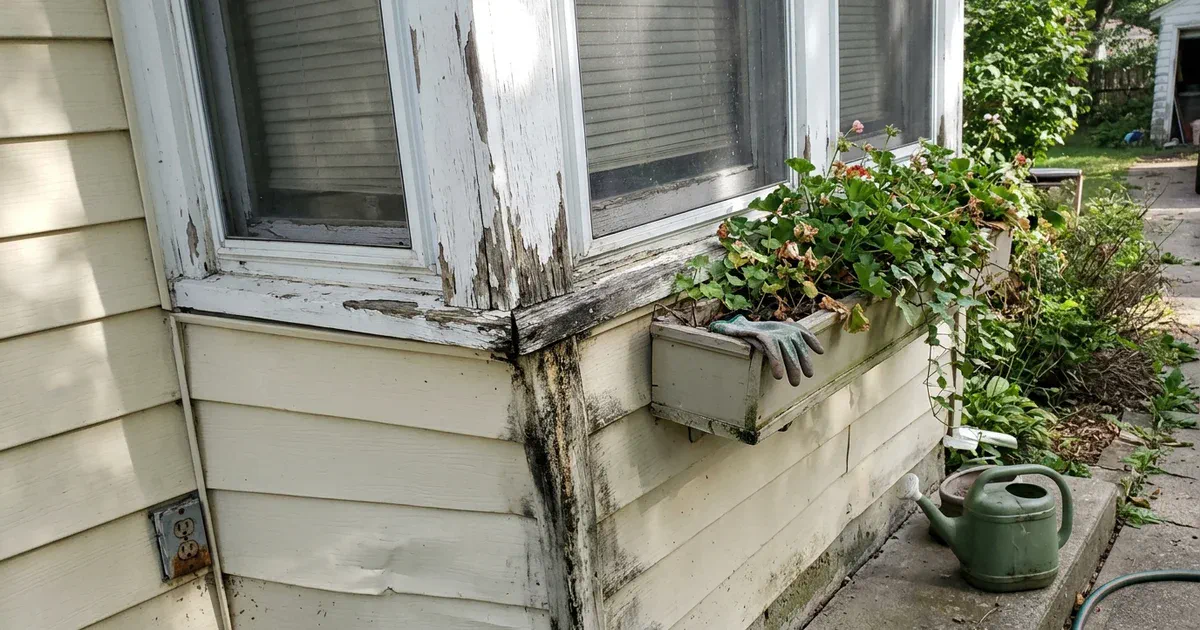
Signs of Water Damage Behind Your Siding
What soft boards, swelling trim and stains under a window can tell you about the wall behind them.
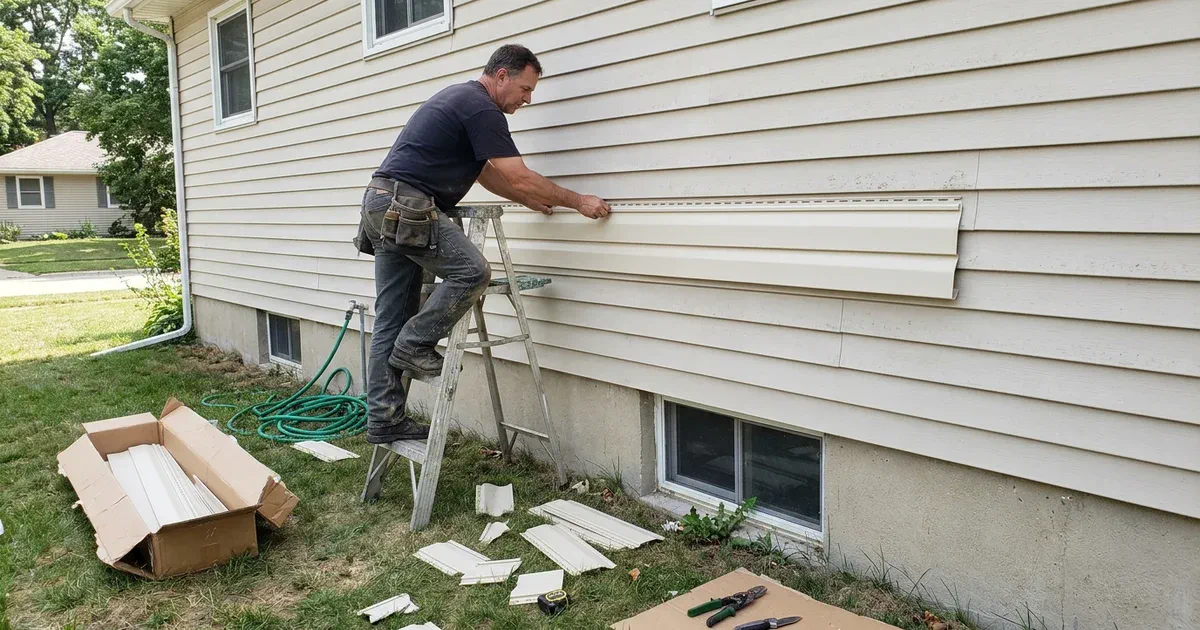
Siding Repair or Replacement: Which Does Your House Need?
How to tell whether a few new boards will do it or the whole house is ready for new siding.
Related Siding Services
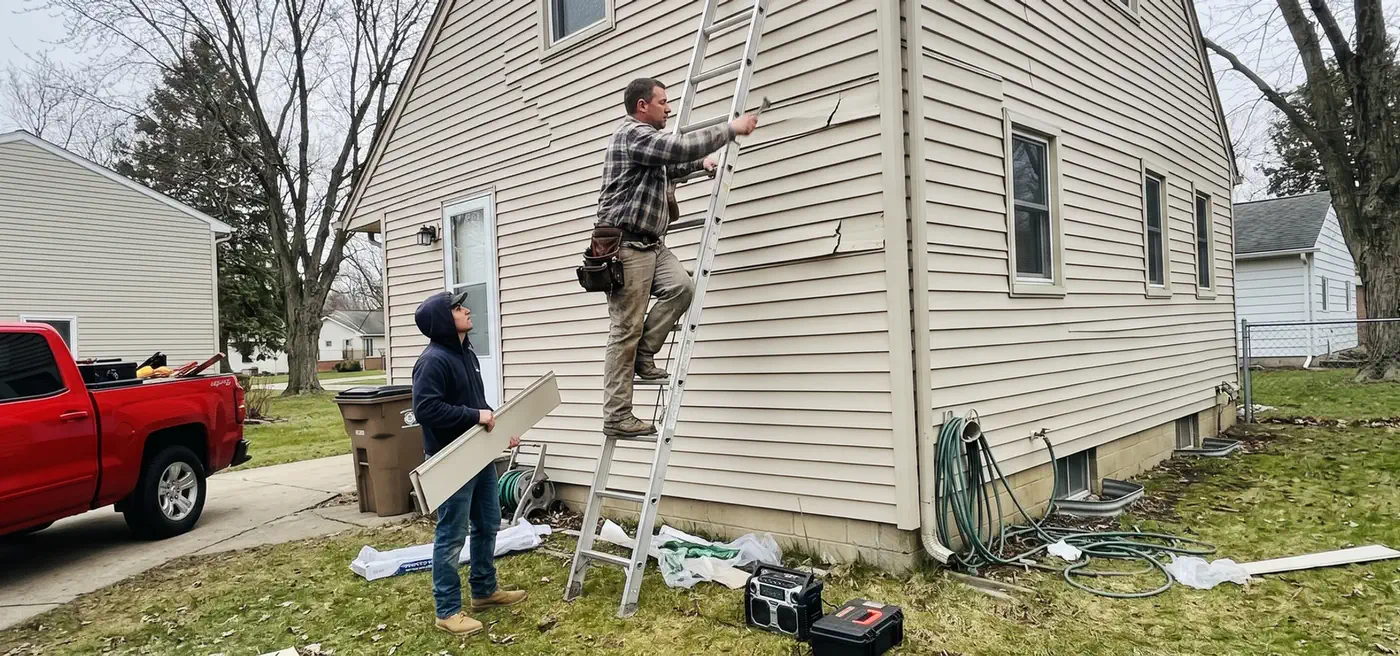
Siding Repair
A few damaged panels or boards put right in the spot where the trouble is, on any kind of siding.
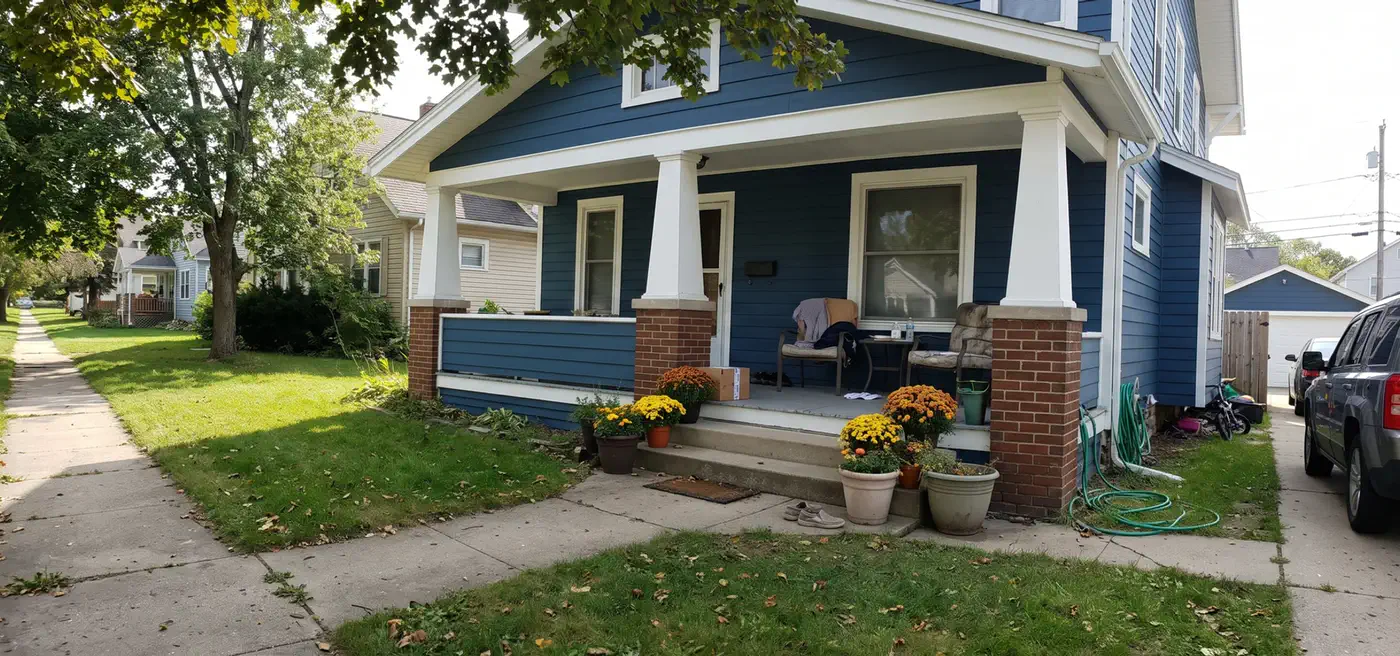
Fiber Cement Siding
The look of painted lap boards in a material made to resist rot.
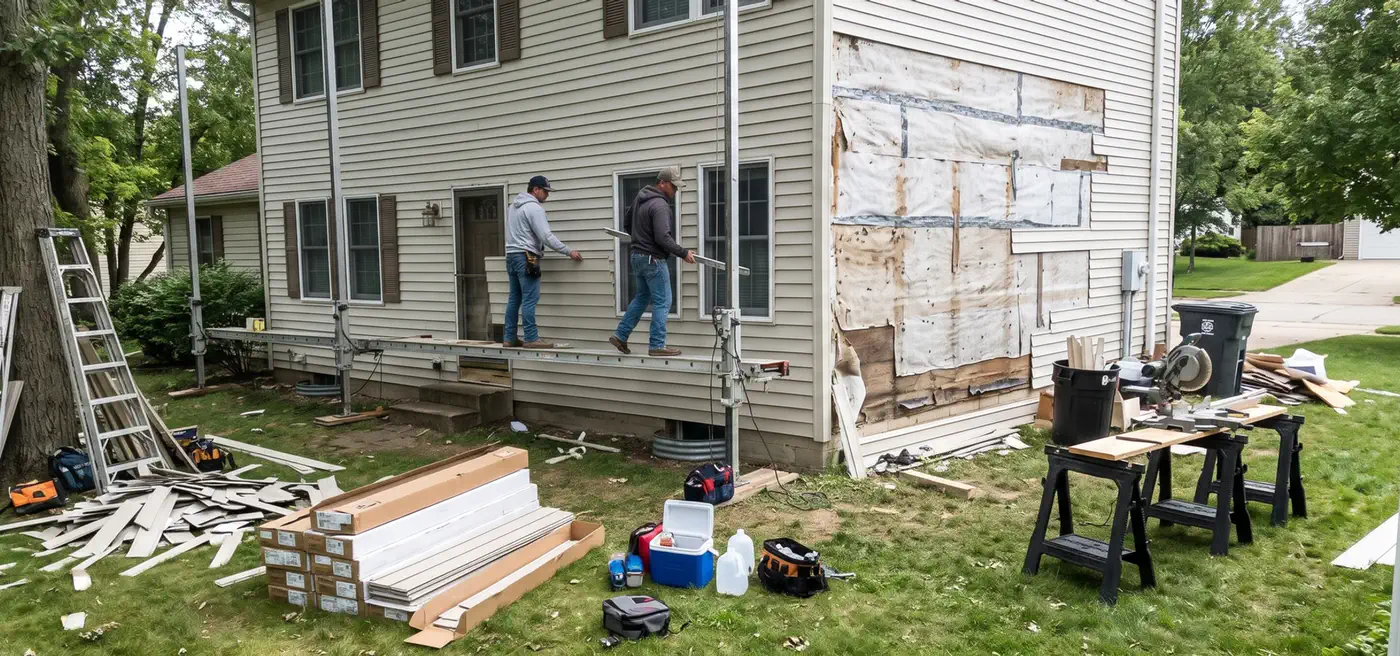
Siding Replacement
New siding all the way around the house, with the old siding off first so the wall gets a look.
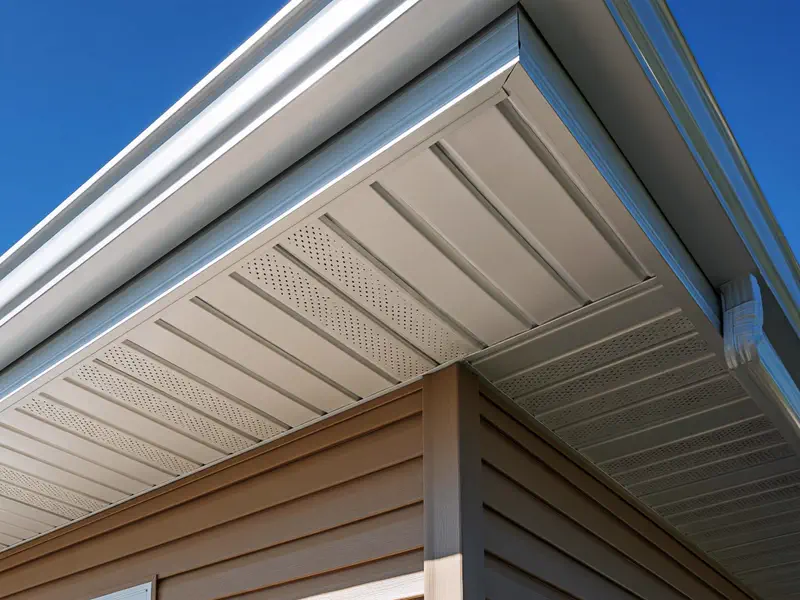
Soffit and Fascia
The trim along the roofline and under the eaves, which on an older house is often wood too.
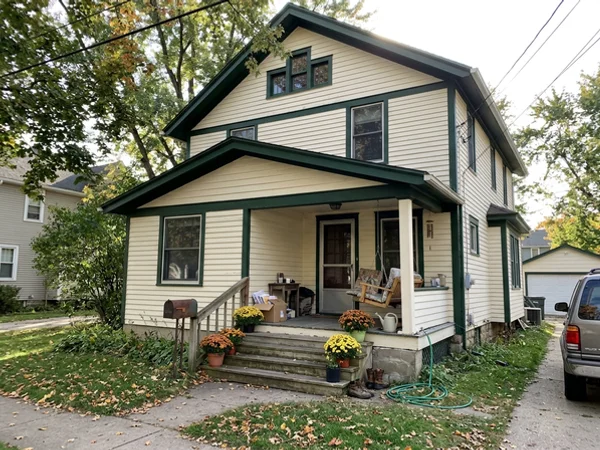
Have Wood Siding You'd Like to Keep?
Tell us which boards are giving you trouble, and we'll come out and tell you how many of them really need replacing.
Get a Free Estimate