
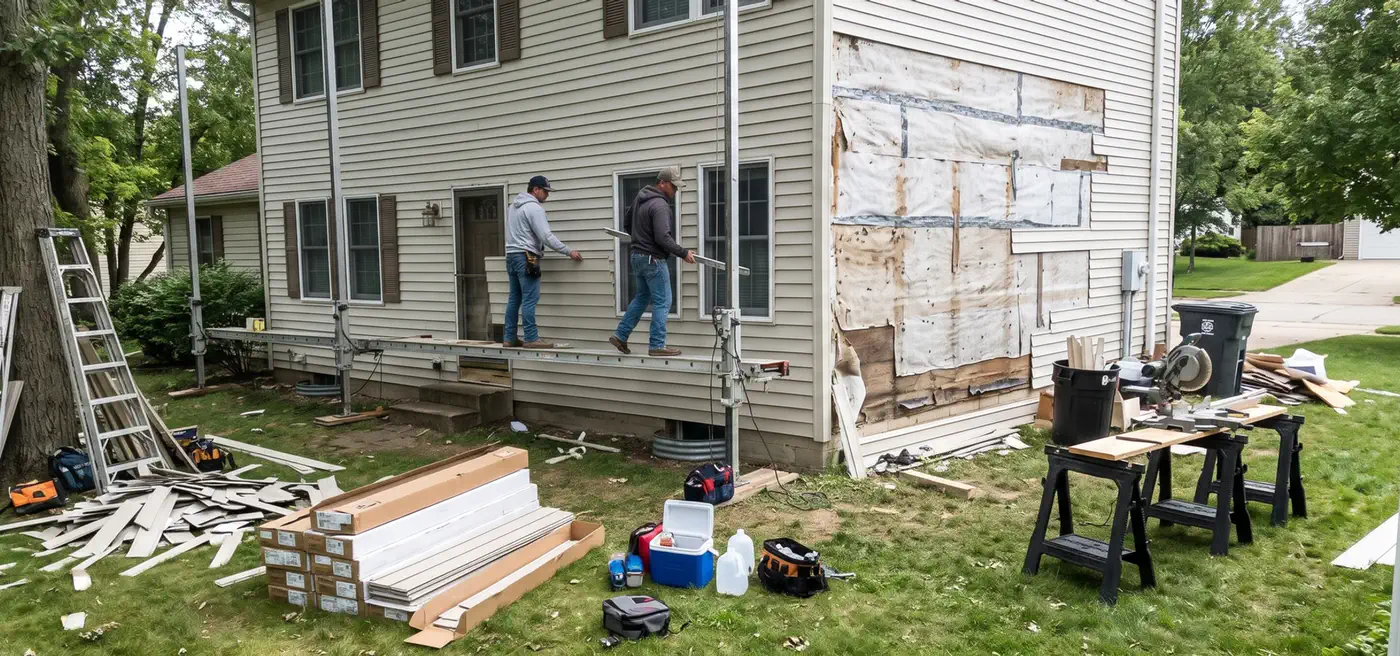
Whole-House Siding Replacement in Grand Rapids
New vinyl, fiber cement or wood siding on every wall of your house, with the old siding taken off first so the wall underneath gets looked at and put right.
Get a Free Estimate- 20+ years on Grand Rapids siding
- Straight price ranges
- Free estimates
- Old siding off before new goes on
- Repairs that leave good siding in place
What Is Whole-House Siding Replacement?
Siding replacement means taking the old siding off every wall of the house and putting new siding on all of it, with new trim at the corners, windows and doors. At Grand Rapids Siding Contractors, we do siding replacement in Grand Rapids in vinyl, fiber cement and wood.
What a whole-house siding replacement includes
- The old siding torn off and hauled away, every layer of it
- New house wrap with taped seams, and flashing around the windows and doors and wherever a roof meets a wall
- New siding and matching trim at the corners, windows and doors
- New soffit and fascia along the roofline, if you'd like those done too
- Cleanup of the yard and driveway when the job is finished
When Is It Time to Replace Siding Instead of Repairing It?
If the damage is on one wall, a repair is usually the better buy. A few cracked panels or a split board can be replaced on their own and the rest of the house left as it is. Our siding repair page covers that work. New siding starts to make more sense when the signs below turn up on more than one side of the house.
When new siding usually makes more sense
- Cracks, warping or soft boards on most of the walls, not just one corner
- Years of patches that no longer match each other
- A color or profile that's hard to find now, so a repair would stand out
- Water stains inside the house, under windows or on outside walls
- Siding that was put on over older siding
Water is the one that's easy to miss. If you've noticed a stain inside under a window, tell us about it when you send the form. It helps us know where to look first.
When those signs show up on most of the house, new siding usually gives you more for your money than repairing one wall after another, and you end up with one color and one look all the way around. Our guide to siding repair vs. replacement goes through how to weigh a house that has a little of both.
What Goes On Behind the New Siding?
The siding is the part you see, but the layers behind it do a lot of the work of keeping water out of your walls. With the old siding off, the first thing we look at is the sheathing, the boards or panels the siding is fastened to. Then house wrap goes over the whole wall. It's the weather barrier behind the siding: rain that the wind drives past the siding runs down the wrap instead of soaking into the wood, and the seams are taped.
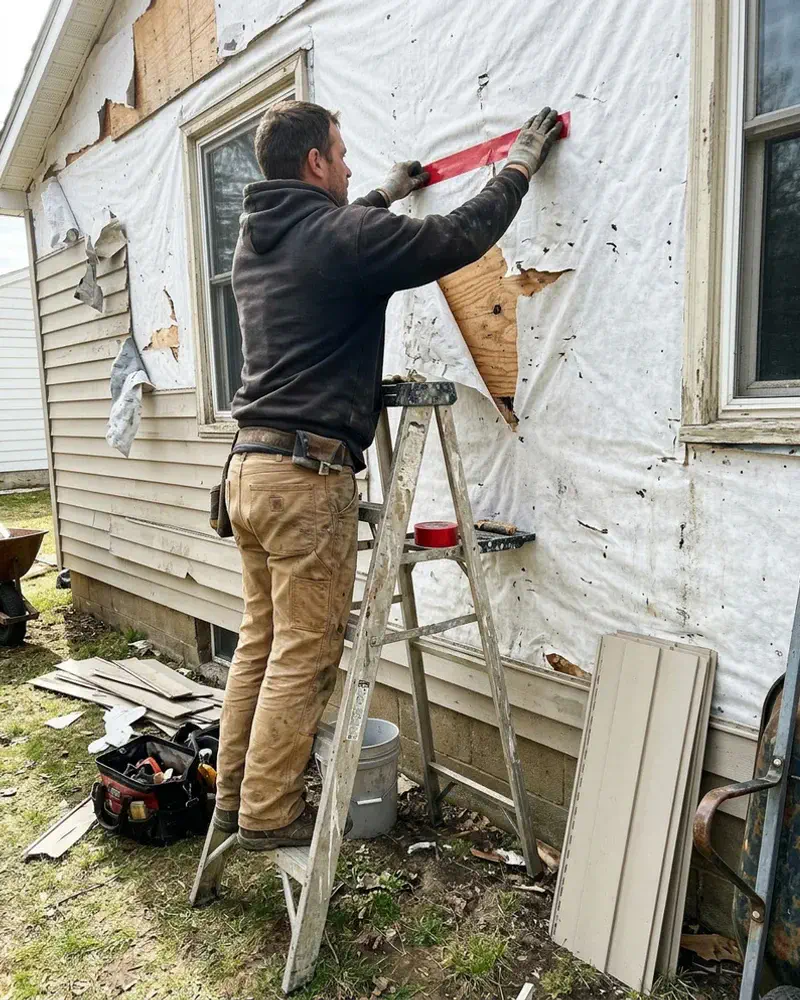
Flashing goes wherever water likes to get in. That means around every window and door, and in a few places that are easy to overlook. One is where a lower roof runs into the side of the house, over a porch or a garage, for example. A small piece of flashing there, called kick-out flashing, turns the water coming off that roof into the gutter instead of letting it run down behind the siding. Where that piece is missing, water can run down behind the siding and rot the wall.
New vinyl siding is hung a little loose on purpose, so it can grow and shrink with the weather and the wall stays flat. Our vinyl siding page explains how.
Which Siding Material Is Right for Your House?
Most of the choice comes down to how you want the house to look and how much upkeep you're willing to take on. Each of the three suits a different kind of house:
- Vinyl siding keeps both the cost and the upkeep low, and its color is built in at the factory, so there's nothing to repaint.
- Fiber cement looks like painted wood lap siding from the sidewalk, and unlike wood, it's made to resist rot.
- Wood and cedar is the choice for an older house where you'd like real wood on the walls, and it will want paint or stain every so often.
Our guide to vinyl, fiber cement and wood siding puts them side by side, and we can go over them with you at the estimate.
Do You Need a Permit to Replace Siding in Grand Rapids?
Inside the City of Grand Rapids, yes. The city has its own building permit for re-siding a house, and either the owner or a licensed contractor can apply for it. The towns around the city each make their own rules, and they don't all agree, so we'll check what applies to your house before any work is scheduled.
If you live in Heritage Hill, Cherry Hill or another of the city's historic districts, the city has to sign off on changes to the outside of the house before work begins. Our wood and cedar siding page goes through what that means for a house there.
Get Your FREE Estimate
Siding Replacement Cost in Grand Rapids
Here's what siding replacement typically costs around Grand Rapids for a whole house in vinyl or fiber cement. By a whole house we mean about 1,250 to 2,000 square feet of siding on the walls, with the old siding removed and hauled off and new trim around the corners, windows and doors.
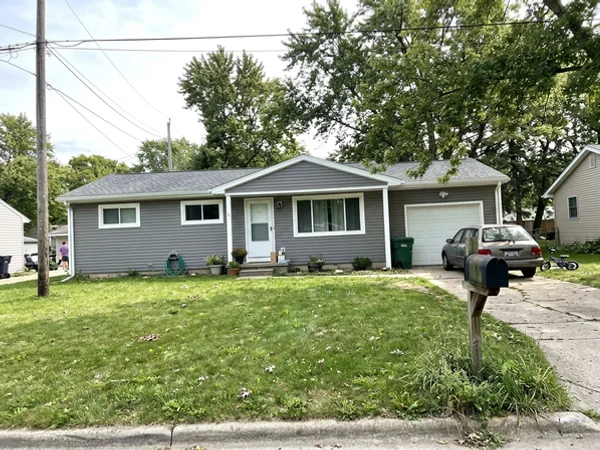 Vinyl siding, whole house$9,000 to $20,000
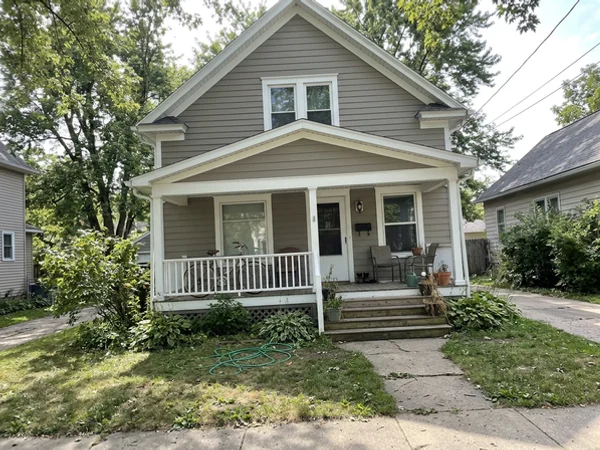 Fiber cement siding, whole house$15,000 to $30,000
What can raise or lower your price
- How much wall there is. The more wall there is to cover, the more siding and labor go into it, and gables, dormers and bump-outs all count. A second or third story also means working from scaffolding or pump jacks instead of from the ground.
- The material you pick. Vinyl sits at the lower end. Fiber cement costs more once it's on the house, and if you choose it unfinished, painting it is part of the job.
- How many layers come off. One layer of old siding comes off faster than two or three, and every extra layer adds to what has to be hauled away.
- Trim, soffit and fascia. New trim at the corners and openings is part of the whole-house price. New soffit and fascia along the roofline is added on top of the price for the walls.
- What's under the old siding. Sound sheathing adds nothing. Soft or rotten sections are replaced before the new siding goes on and priced on their own once we can see them. If there's old painted wood underneath on a house built before 1978, the job may call for lead-safe work when that paint is disturbed, which adds some work.
Our guide to what siding replacement costs in Grand Rapids goes further into each of these.
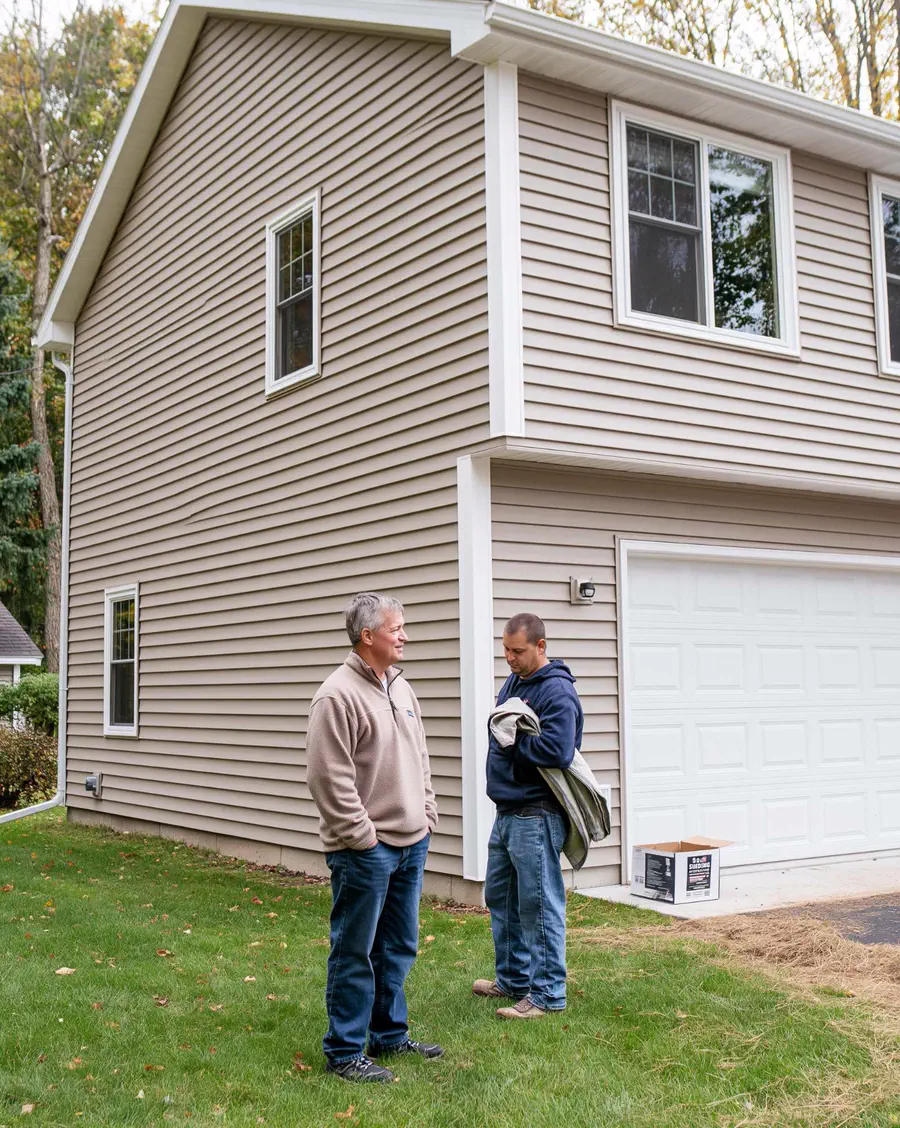
How Siding Replacement Works
Measuring the house
At your house we measure the walls, look over the trim and the roofline, talk through materials with you, and then you get a written estimate. If your house only needs a repair, that's what the estimate will say.
Tear-off and a look at the wall
The old siding comes off and is hauled away. If there's soft or rotten sheathing underneath, we stop, show it to you and tell you what fixing it adds to the price. Nothing gets fixed until you've said yes.
Wrap and flashing
New house wrap goes over every wall with its seams taped. Then the flashing goes in around the windows and doors and anywhere a roof meets a wall.
New siding, trim and cleanup
The new siding and trim go on, starting at the bottom of each wall and working up. When the last wall is done, we clean up, haul off what's left of the old siding, and look over the finished house with you.
How Much Siding Does Your House Need?
Work out your wall area and how much siding it takes to cover it, with the gables, windows and a little extra for waste counted in.
Try the Siding CalculatorSiding Replacement Questions
What is the cheapest way to side my house?
Of vinyl, fiber cement and wood, vinyl is usually the least expensive to put on a whole house. If the damage is limited to a few panels or boards, repairing them costs far less than new siding on every wall.
What are the warranties available for siding replacement?
Vinyl and fiber cement siding come with a warranty from the company that makes them, and the terms differ from one brand and product to the next. We'll go over what the warranty on the vinyl or fiber cement you choose covers when we give you the estimate.
Siding Replacement Guides
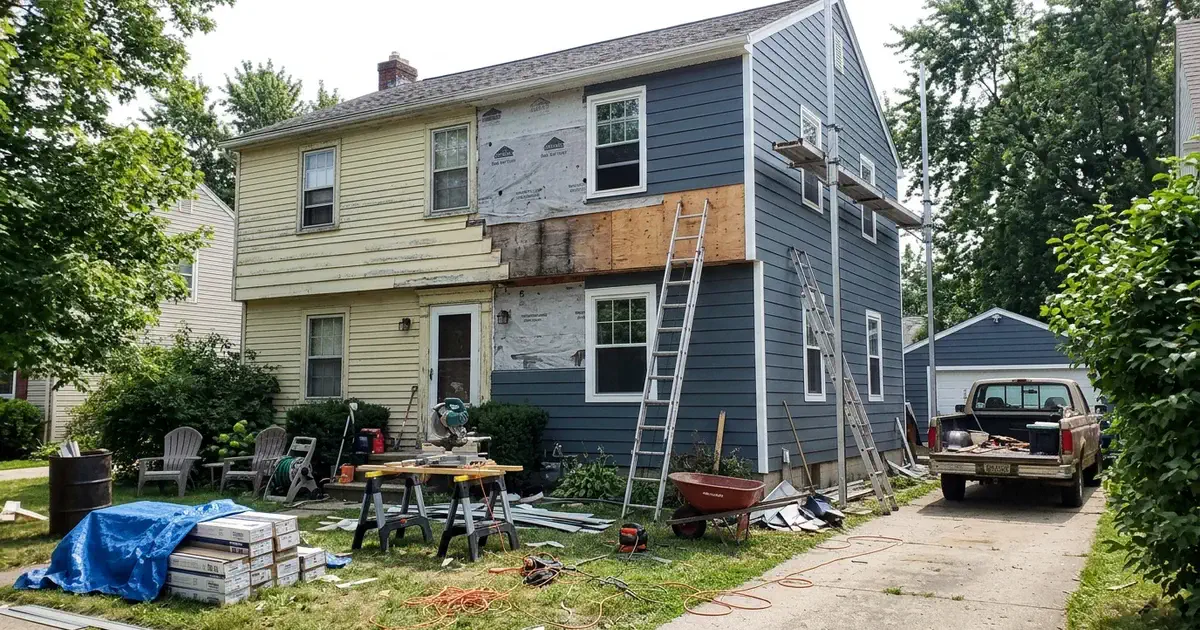
What Does Siding Replacement Cost in Grand Rapids?
What a whole-house job runs in each material here, and how the size and shape of your house change it.
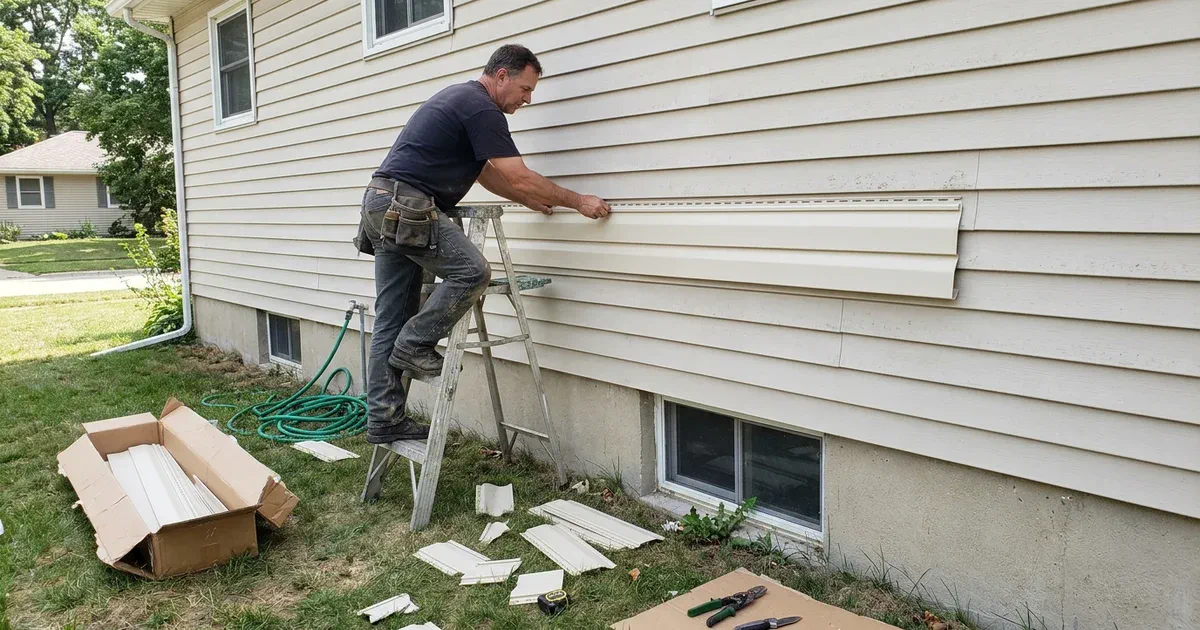
Siding Repair or Replacement: Which Does Your House Need?
The signs that point to a repair, the ones that point to new siding, and how to weigh a house that has some of each.
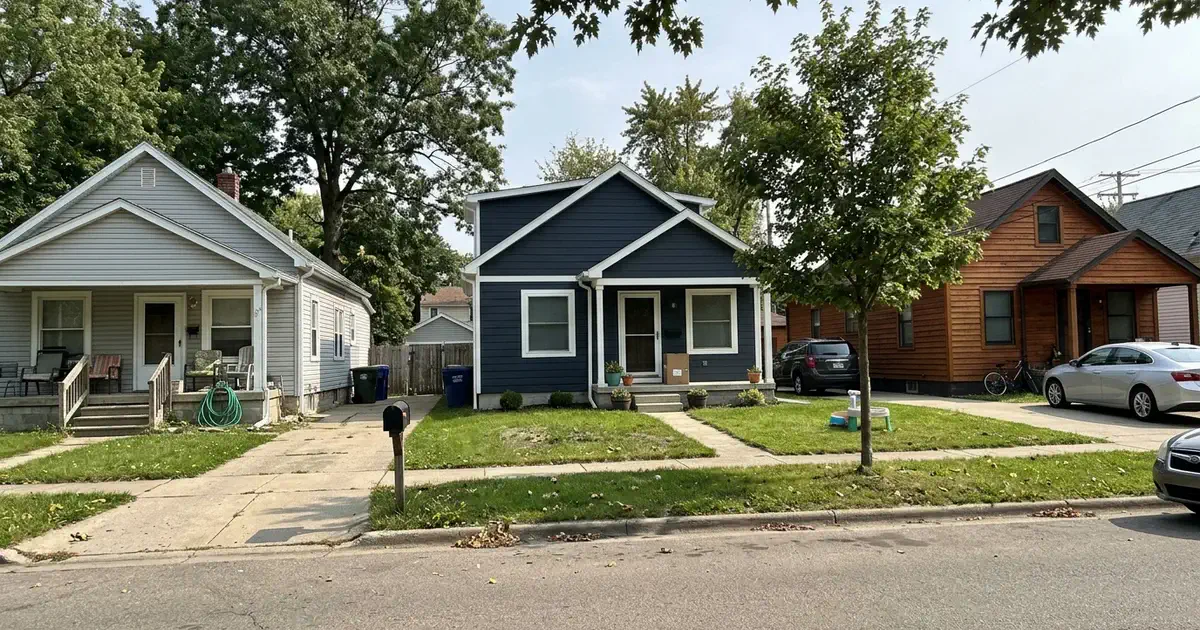
Vinyl, Fiber Cement or Wood Siding for a Michigan House
What each one looks like up close, how much care it asks of you, and where it sits on your budget.
Related Siding Services
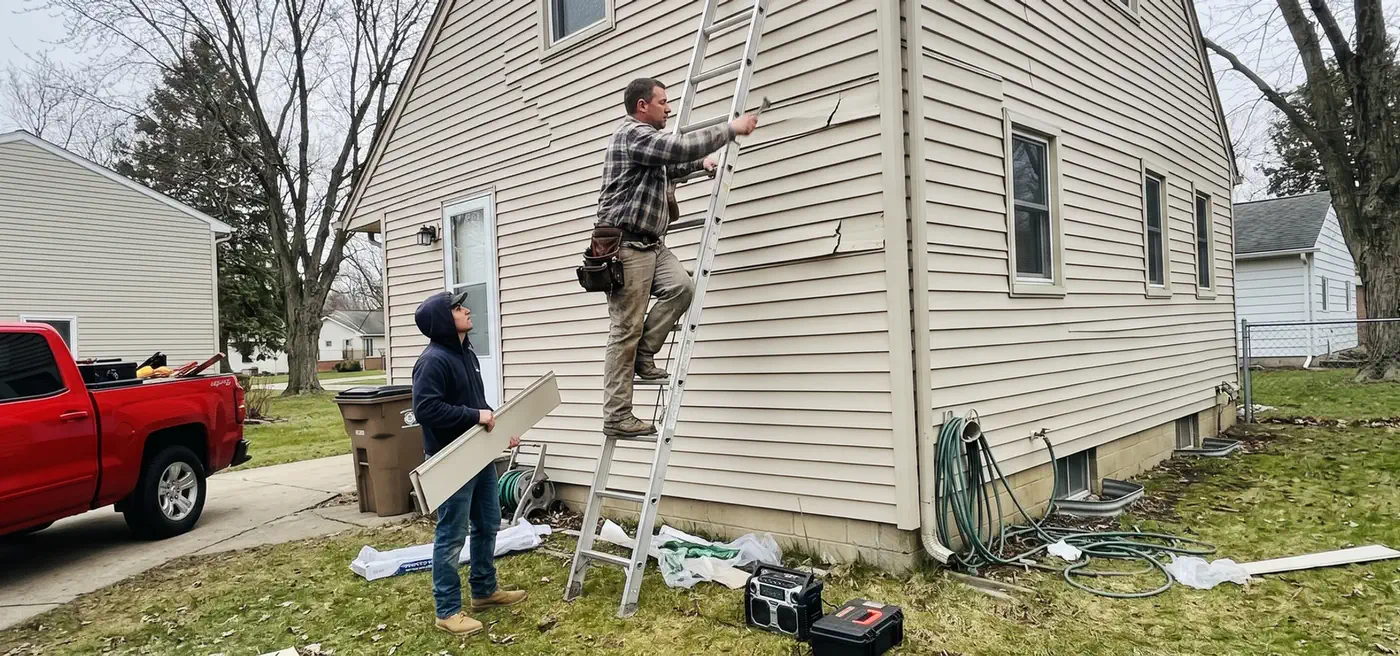
Siding Repair
For damage on a wall or two: the broken panels or boards replaced, and the rest of the house left as it is.
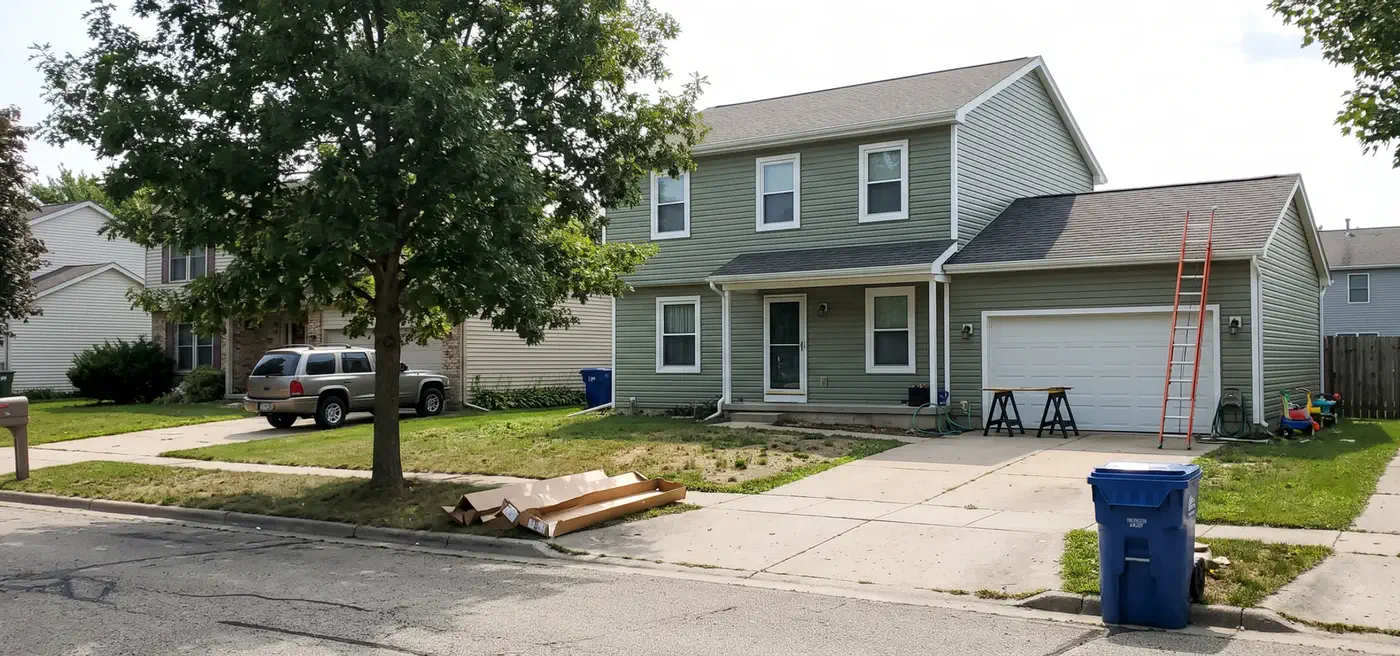
Vinyl Siding
Whole-house vinyl siding in the color and style you pick, and repairs to the vinyl you already have.
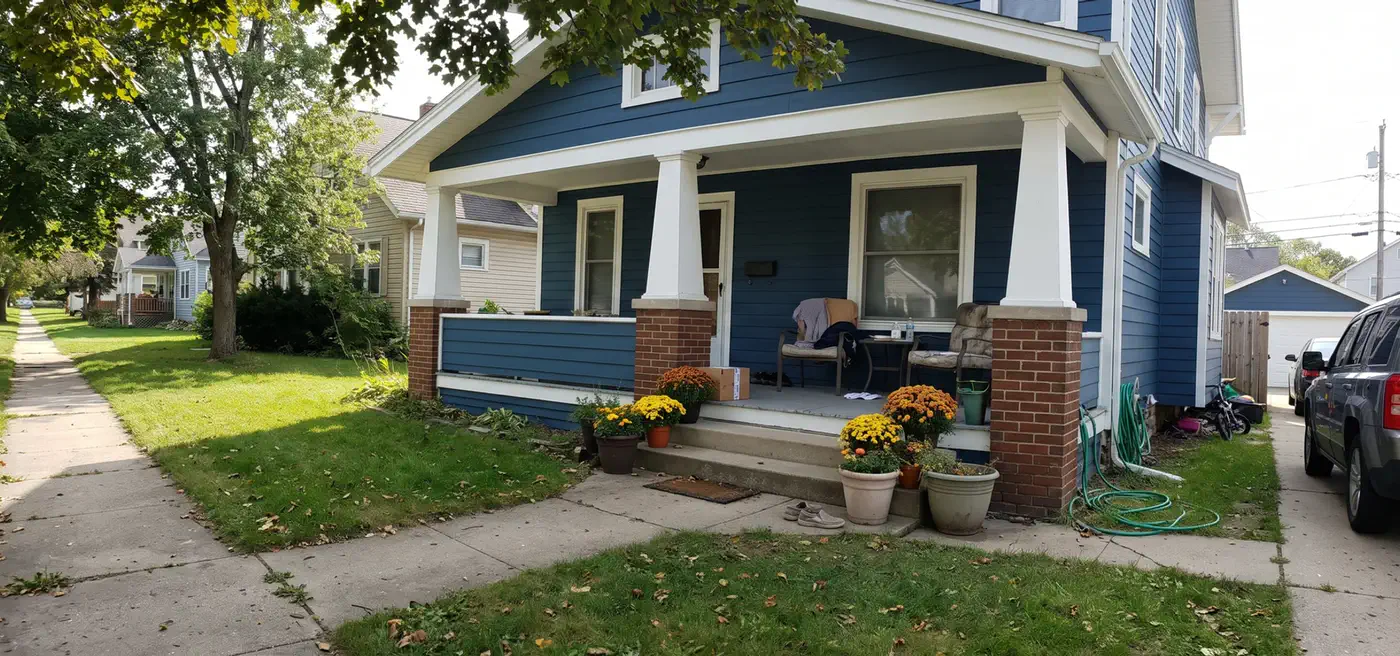
Fiber Cement Siding
Lap siding and panels with the look of painted wood, finished at the factory or painted after they go up.
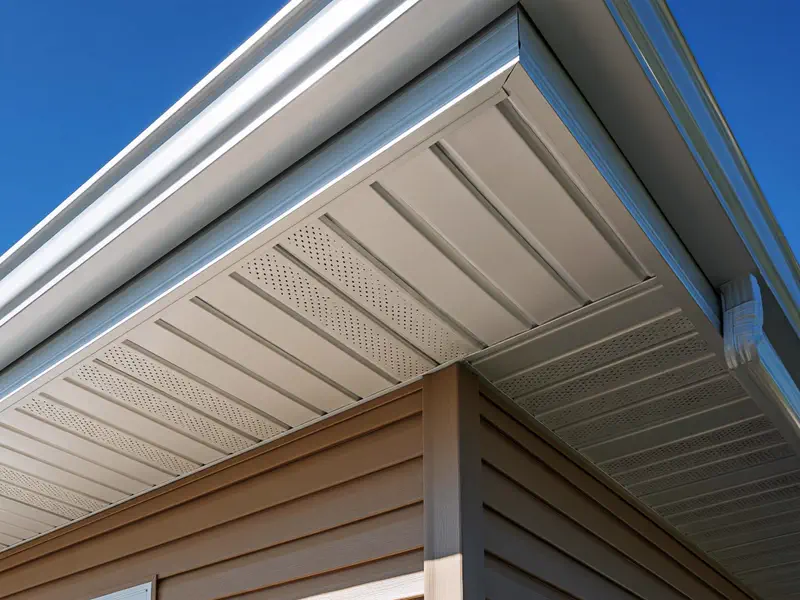
Soffit and Fascia
The underside of the eaves and the board along the roofline, done on their own or along with your new siding.
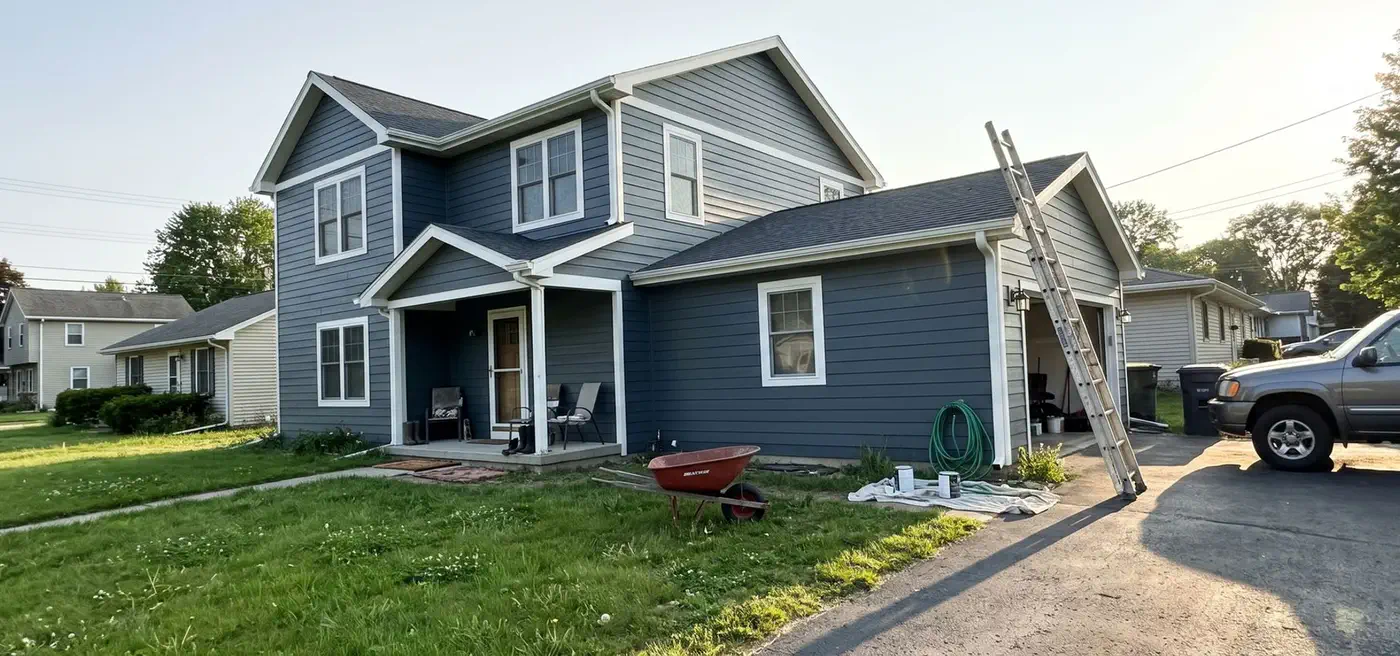
Thinking About New Siding for Your House?
Tell us about your house and the siding on it now, and we'll come out, look at every wall with you and tell you what new siding would cost in vinyl, fiber cement or wood.
Get a Free Estimate